Burst & Broken Pipe Repair
Stop the flooding first, then repair the split pipe, cracked fitting or failed valve behind it.
Once water has soaked drywall, flooring and insulation, a pipe repair is only half the job. Restoration removes water, dries the structure, deals with mold and rebuilds what was lost.
This page uses its own restoration phone number. Call it for flooding, wet walls, mold and cleanup.
Stop the source if you can. Close the main valve for a leaking pipe. Stay out of standing water when power is on, and shut power off only from a dry spot.
Photograph everything before you move it. Note the time the water started and what was affected.
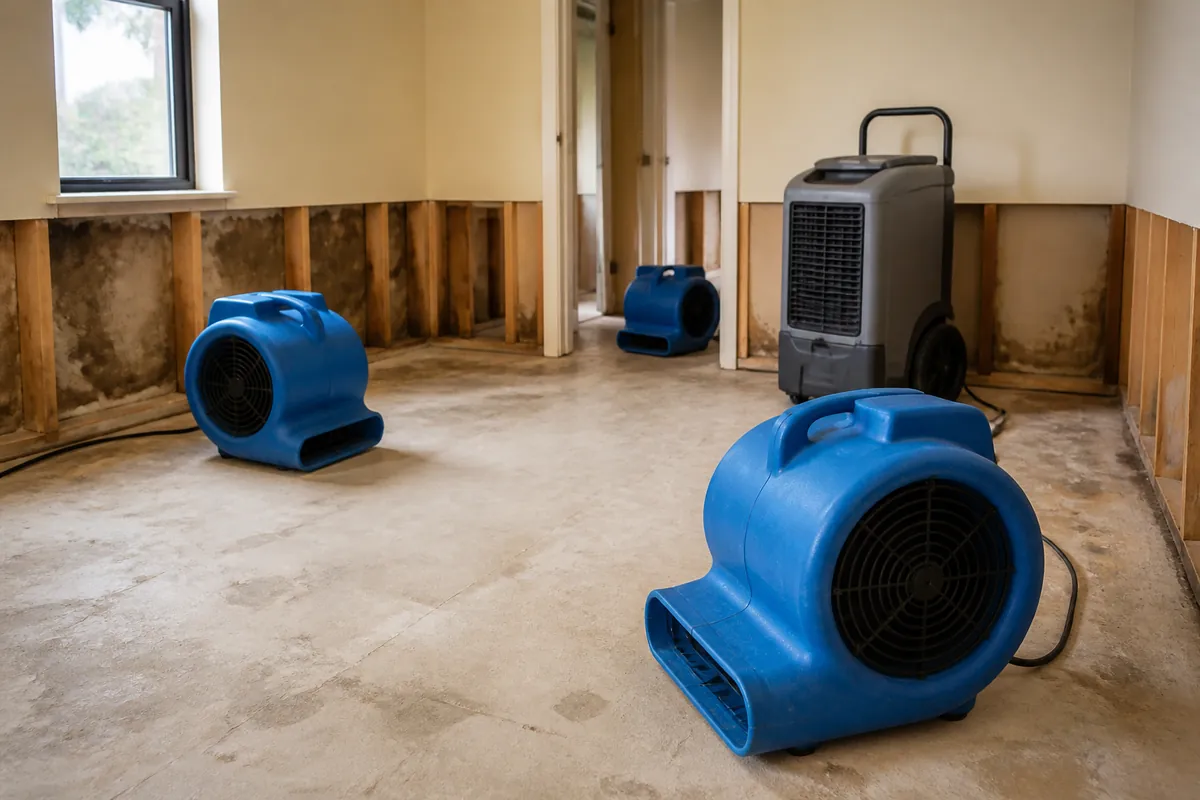
Crews first take out standing water. Fans and dehumidifiers then draw moisture out of the structure, and moisture readings show when the materials have dried to standard.
Wet drywall and insulation may need to come out. Carpet pad is often removed. Ask what the plan includes.
Restoration is priced by how large the loss is and what type of water caused it.
Ask for a written scope, and whether the company works with your insurer.
The monsoon season officially runs from June 15 through September 30. Heavy storms can bring water into a home, and a 2014 storm damaged irrigation canals around south Phoenix, with Laveen among the hardest hit.
Mold can start growing on wet materials in a day or two. If you spot it, ask about containment, removal and testing.
If a buyer or lender requires clearance testing, say so on the call and ask how it is handled.
Sewage and flood water carry contamination. Avoid contact and ask a professional to handle cleanup.
Report the loss early. Ask what your insurer needs, keep receipts and photograph damage before cleanup.
Surface dry does not mean the structure is dry.
Stop the source if possible. Move small items out of the wet area. Photograph damage with dates. Do not use household vacuums on water. Note the type of water, such as clean supply water or sewage.
If a pipe caused it, see burst pipe repair or leak detection.
Industry guidance such as the IICRC S500 standard groups water by how contaminated it is. Clean supply water is treated differently from gray water from appliances, and both differ from black water, which includes sewage and floodwater. The category affects what can be dried and what must be removed. Time matters, since clean water can degrade into a worse category if left for long.
Citing the standard does not mean any particular contractor holds a certification. It is a published guide that many in the industry follow. Ask a company directly what training and certifications it can show.
Crews begin by stopping the source and removing standing water. Then they measure moisture in walls, floors and structure with meters and often a thermal camera. Air movers and dehumidifiers are placed to draw moisture out. Readings are repeated over several days until the materials reach a dry standard. Carpet pad, soaked insulation and soft drywall are commonly removed.
Drying times vary with materials, humidity and the size of the affected area. A reputable contractor will explain the plan and what readings will show.
Wet materials can start growing mold in as little as a day or two, which is why fast drying is the best defense. Visible mold should be left undisturbed until you ask the contractor whether testing or remediation is called for. Photograph damage before cleanup, keep receipts and make notes of dates. Contact your insurer early, since policies differ in what they cover and how they handle emergency work.
If a pipe caused the water, the repair itself is separate. See burst pipe repair and leak detection.
Stop the flooding first, then repair the split pipe, cracked fitting or failed valve behind it.
Locate water escaping from walls, floors, the yard or irrigation pipe without tearing things open first.
Act fast when several drains back up together or sewage rises in a tub or floor drain.
As soon as you can, because mold may begin to grow within a day or two.
If a pipe caused the water, yes. Restoration dries the structure.
It may carry sewage and other contaminants.
Many policies cover sudden damage. Flood often needs separate coverage.
Yes. The restoration number is answered at all hours. Cut off the water source first when you can do it safely.
Ask on the restoration line.
Ask on the line and describe the source.
Ask about testing and clearance on the call.
Call the restoration line and describe the source and the amount.
Service area centered on Laveen and nearby Maricopa County cities.