High Water Bill & Leak Detection
Learn whether a bill spike comes from a leak, a toilet or the sprinklers, and how to confirm it at the meter.
Water is getting out of the pipes somewhere in the property, and nobody can see where. A proper search works from evidence, so no wall or slab is opened until the spot is known. If water is spreading while you read this, call the 24/7 line before anything else.
Describe what you see and hear on the call. The dispatcher lines up a local contractor for a diagnostic visit.
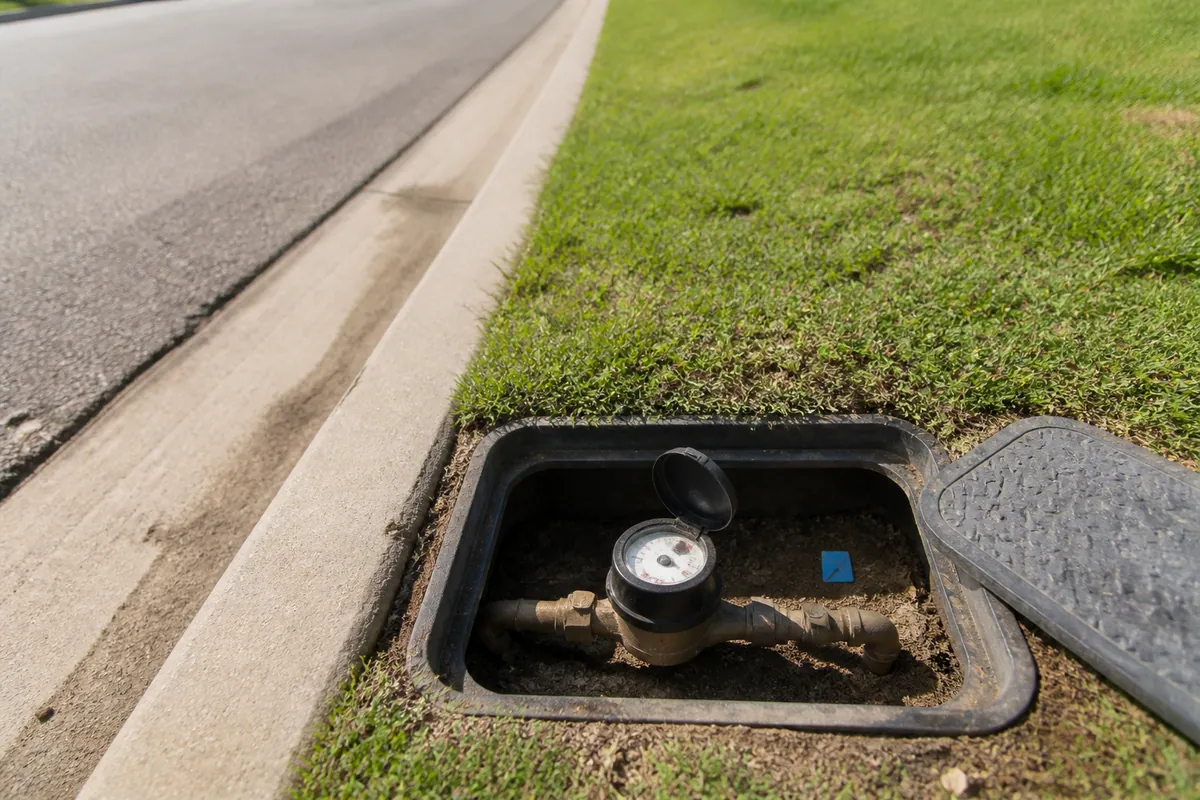
Your Phoenix water meter lives in a box by the curb. Shut every tap, pause the sprinkler controller and confirm that the ice maker and softener are not cycling. Lift the lid and study the low flow indicator for a couple of minutes.
Look for any movement of the dial. Next shut the main valve at the house and look once more. A dial that stops means the leak is somewhere inside the building. A dial that goes on turning means water is lost from the buried pipe on its way to the house.
That one test splits the job in half before anyone has picked up a tool.
Good searches proceed in stages. The contractor isolates the system and closes branches one by one to learn which section loses pressure. Hot and cold sides are tested apart, because a heater line can leak while the cold side holds.
Once a section is identified, the contractor can listen along the pipe, scan for temperature differences or pressure test a stretch of buried line. Which method suits the job depends on the pipe material, its depth and how much noise the leak makes.
The aim is a marked spot on a floor, wall or patch of yard. A small, accurate opening costs far less to repair than a wall opened on a hunch.
Phoenix treats the pipe from the street to the meter as the city's, and everything beyond the meter as the owner's. That split is why the meter test pays off: it shows which side of the boundary holds the trouble before you spend money on a search.
Laveen summers also muddy the picture. Sprinkler cycles run longer, pools lose water to evaporation and bills climb for ordinary reasons. A leak search should rule out those explanations first.
Leak location is billed by the time and method involved, and any repair is quoted separately. The factors below move the number.
When the same contractor makes the repair, ask if the detection charge is credited against it. Policies differ, so get an answer before anyone arrives.
Garages hold water heaters, softeners and the main shutoff, so a damp garage wall is a common starting point. Supply lines inside walls, the connection behind a washing machine and fittings under a tub follow close behind.
Outside, the usual suspects are the irrigation system, the hose bibs and the buried line from the meter. Pool equipment adds more joints and valves to the mix. A leak that only shows when the sprinklers run points to the irrigation side, not the house.
Drain leaks behave differently from supply leaks. Water escapes a drain only while something runs through it, so a stain that shows after a shower or a laundry load suggests a drain.
Expect the contractor to name what failed, where it sits and what fixing it involves. A cracked valve or loose fitting is quick work. A pinhole under a floor may justify a reroute, and corroded pipe in several places raises the repiping question.
Find out whether the same company repairs whatever it locates, and whether patching drywall, tile or concrete sits inside the quote. Finish trades are often billed separately, and knowing that early avoids surprises.
Most people spot one small oddity first. Any single item below is reason to look closer.
A sound search starts with a meter check and a shutoff test. The contractor closes the house valve, watches the dial and learns whether the loss is before or after that valve. That one step often cuts the search area in half.
From there, listening gear, thermal cameras or a pressure test narrow things further. Contractors carry different tools, so ask which method fits your pipe material. Metal lines carry sound well. Plastic lines often need a pressure or gas based approach.
Ask before the visit whether the location gets marked on the floor, wall or soil. A clear mark means a small opening later, and a smaller repair bill in most cases.
Plenty of callers phone after one visit ended with no answer. Slow leaks, buried plastic and leaks that only show under pressure are the usual reasons. A second try should use a different method, not the same walk through.
Tell the dispatcher what the first plumber tested and what they decided. Mention photos, meter readings and dates if you kept them. The new contractor can skip that ground and start with the likeliest remaining spots.
Close the main house valve if water is visible. Note the meter reading, wait twenty minutes with everything off, then read it again. Photograph any stain or wet patch and keep pets and children away from soft ground.
Rentals and small multi-unit buildings add a step. Say how many units share the meter and which ones show damp. Landlords and tenants can then be reached the same day. When a home is under contract, mention that too, since a buyer may want written findings. For repair work after a find, see water line repair or slab leak repair.
Learn whether a bill spike comes from a leak, a toilet or the sprinklers, and how to confirm it at the meter.
Locate a pressurized pipe leaking beneath the concrete floor, then compare a spot repair with rerouting the line.
Fixes for the buried line between the meter and the house, from a single failed joint to a full new run.
Do the meter test with everything off. A low-flow indicator that keeps moving means water is escaping somewhere. A bill that climbs while the household stays the same is another strong clue.
Frequently. A contractor can isolate sections of pipe, listen, scan and pressure test, then open only the marked spot. A leak that shows only under pressure or at certain times may take longer to catch.
It does once water is spreading or reaching electrical outlets. Shut the main valve and call. A slow, steady drip can usually wait for daytime, though the damage keeps growing.
Some policies reimburse the search for a sudden leak, while many exclude repairs to worn pipe. Read your policy and ask the insurer first.
The line is open all night. Say where the water appears and how the meter dial is moving, then ask what time a nearby contractor could come. Shutting the main valve first limits the damage in the meantime.
The contractor decides on the day. Common tools include acoustic listening gear, thermal imaging, pressure testing and pipe cameras. Ask which one fits your pipe and why.
Often the same contractor can. Detection and repair are usually quoted as separate steps, so ask how each is priced before anything starts.
Locating it first keeps the opening small. The contractor can explain whether a spot cut, a tunnel or a reroute makes sense.
If the main valve is within reach, close it and call the line. Describe what you see, and the dispatcher will lay out what happens next.
Service area centered on Laveen and nearby Maricopa County cities.