Leak Detection
Locate water escaping from walls, floors, the yard or irrigation pipe without tearing things open first.
The water service line carries water from the meter box to the house. When it leaks, cracks or corrodes, the symptoms show up as soggy ground, a loud meter, weak pressure or no water at all. A fountain in the yard, or a faucet that suddenly runs dry, is reason enough to ring now.
Say where water surfaces and whether any pressure remains. That tells the contractor where to start.
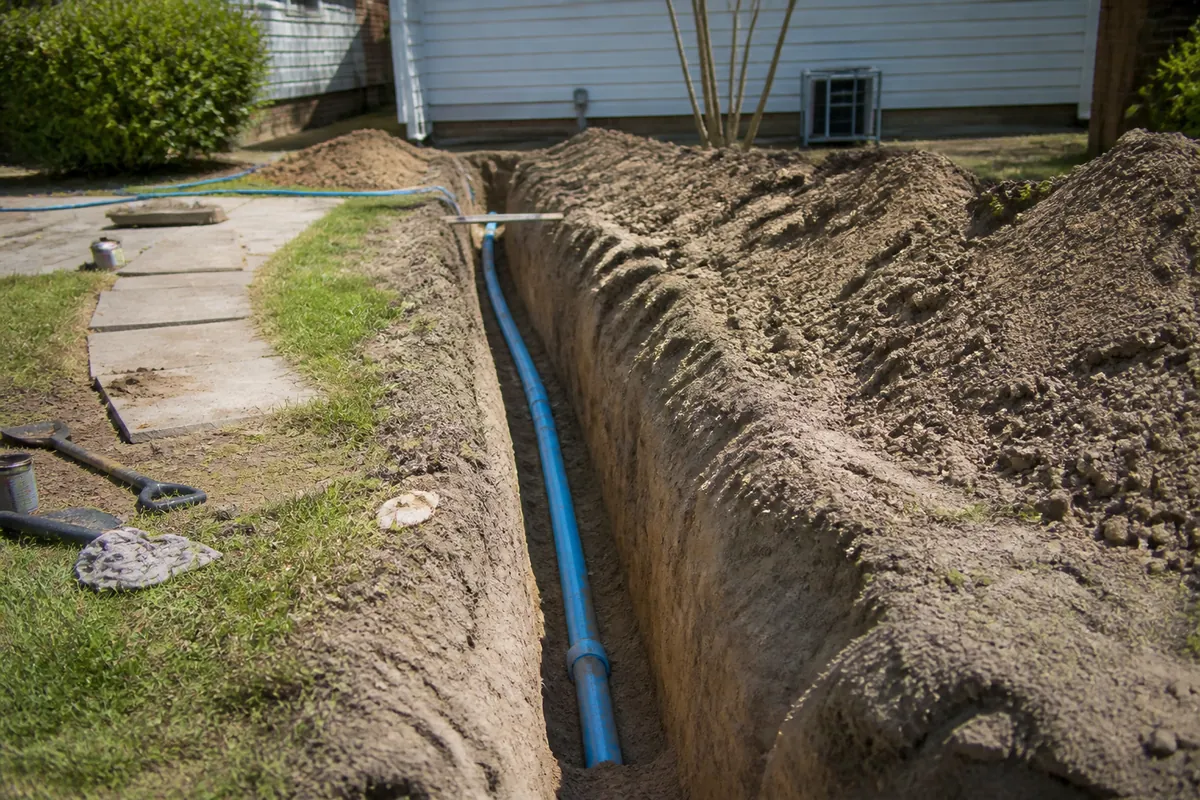
The service line runs underground from the meter box to the house. In Phoenix, the city maintains the pipe from the street to the meter, and the owner maintains it from the meter onward. A leak at the meter box connection itself should be reported to the water provider.
On large lots the line can run a long way. Some Laveen properties sit far back from the street, and a long line means more pipe that can fail and more ground to open.
A spot repair suits a failure in one section when the remaining pipe is sound. The contractor pinpoints the leak, digs to it and swaps a short length.
Replacement makes more sense when the pipe is old, has leaked more than once or is a material that is known to fail. Replacement can follow the old path or take a new route. Some contractors offer trenchless methods, which reduce digging, though not every line or soil condition suits them.
Line work depends on how far the pipe runs and what sits above it. These things move the price.
Request a written scope stating whether patching and restoration are included.
Phoenix draws most of its supply from surface sources, including the Salt, Verde and Colorado rivers, and the water is hard. Mineral scale can narrow old galvanized pipe and strain fittings, which is one reason pressure fades in older homes.
If you suspect the line is made of an old material, ask the contractor to identify it before quoting. Knowing the material helps decide between a repair and a replacement.
Low pressure has several causes. A failing pressure regulator, a partly closed valve, mineral buildup in old pipe and a leak in the service line can all do it. The contractor checks pressure at a hose bib, then works backward toward the meter.
If the water is off completely, check first with the utility. A shutoff for repairs or a billing issue can look like a plumbing failure. If the utility says service is on, the problem lies on your side of the meter.
Digging up a service line affects landscaping, driveways and walkways. Ask how the contractor plans to reach the pipe, whether concrete will be cut and who handles patching.
Call Arizona 811 before any digging so buried utilities get marked. A contractor should treat that as routine, and it protects gas, power and communication lines.
The pipe between the meter and the house often fails without any visible sign.
A failing line can drop pressure across the entire house. Before calling, check that the main shutoff is fully open and that a pressure regulator is not stuck. If neither explains it, the line is a likely suspect.
If water is surfacing, close the house valve and photograph the spot. Keep vehicles and children off the soft ground. A search with leak detection first can confirm the location when no water shows on the surface.
Locate water escaping from walls, floors, the yard or irrigation pipe without tearing things open first.
Stop the flooding first, then repair the split pipe, cracked fitting or failed valve behind it.
Swap worn galvanized, copper or early plastic supply lines for new pipe across the house.
Look for soggy soil, a puddle or lush growth above the pipe path, and watch the meter with the house shut off. A contractor can narrow the spot with listening and pressure checks.
In Phoenix, issues after the meter fall to the owner, and issues between the street and the meter fall to the city. Confirm with your own provider if you are unsure.
Length of the run, soil conditions and whatever sits above the pipe all play a part. Ask the contractor for a time window that leaves room for digging and restoring the surface.
Frequent causes include a leaking service line, a weak regulator, a half closed valve or scale inside old pipe. Checking pressure at a hose bib is the first step.
Call the 24/7 line and describe where water surfaces and whether any pressure remains. Close the valve at the meter box if you can reach it safely. Timing depends on the contractor, so ask for a window before agreeing.
It depends on the pipe material and the soil. Ask the contractor what yours is made of and what they see.
At times. Trenchless work needs small pits at both ends, and whether it suits you depends on the pipe and the layout.
Yes, for part of the job. Ask the dispatcher how long and whether temporary service is possible.
If the valve at the house is within reach, close it and call. Tell the dispatcher where water is appearing and whether pressure remains.
Service area centered on Laveen and nearby Maricopa County cities.