Pool Leak Detection & Repair
Find out if the pool is losing water to a leak or to the sun, and pin down the pipe or fitting at fault.
A backflow device stops irrigation water and other non drinking water from creeping back into the drinking supply. Many providers ask for a yearly test.
Tell the dispatcher what notice you received and from whom.
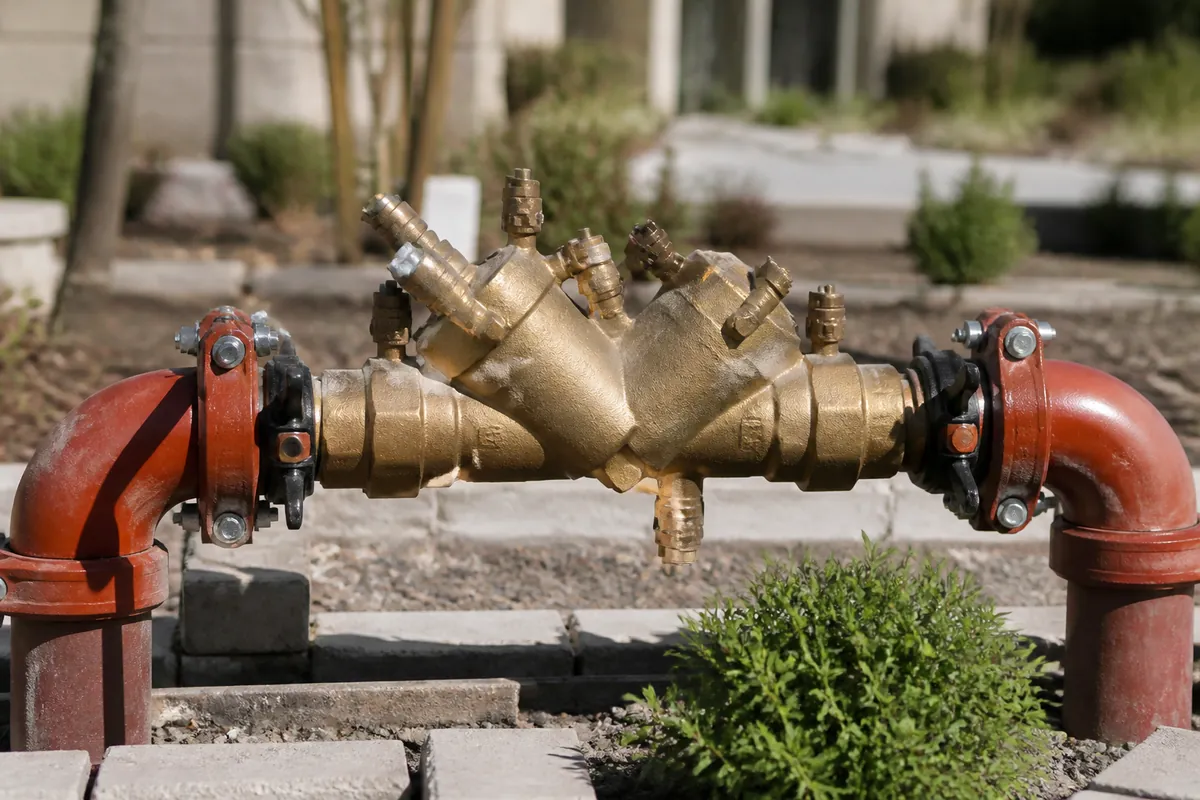
A backflow preventer is a valve assembly on an irrigation line, a fire line or another connection. It blocks water from flowing backward.
A certified tester connects gauges to the assembly and checks that its valves hold. The tester files a report with the provider.
Ask whether the contractor is certified and files the report.
Most Valley yards have irrigation. Ask your water provider about backflow requirements for your address.
Pricing depends on the device and the work.
Ask whether filing the report is included.
A failed device needs repair or replacement. Parts like seals and springs wear out. A device that leaks or spits water should be reported.
If you received a notice, read the due date and what the provider requires. Some providers have shut off irrigation valves for missed tests.
Most callers are responding to a notice.
Find the device and clear plants or debris around it. Have the notice, the device size and the account number ready. Ask whether the contractor files the report.
Irrigation and pool lines may also relate to pool leak work.
A backflow preventer is a valve assembly that lets water move one way only. It keeps water that has been in an irrigation line, a pool fill or a fire system from flowing backward into the drinking supply when pressure drops. Without it, fertilizer, soil or chemicals in a hose or sprinkler line could be drawn into the pipes that serve the house.
Several designs exist, and the one that is required depends on the level of hazard and on local rules. You may hear terms such as pressure vacuum breaker, double check assembly and reduced pressure assembly. Water providers around Phoenix publish their own requirements, so confirm what applies to your address.
Many assemblies must be tested by a certified tester when they are installed and then on a regular schedule. The test measures whether the internal check valves hold and whether relief ports open as they should. A failed test usually leads to a repair, such as new seals or springs, and a retest.
Between tests, look at the assembly from time to time. Water spraying from the relief port, a cracked body or a missing cover all call for attention. Keep the area around it clear so a tester can reach it. Protect it from impact from mowers and vehicles.
A sprinkler system that leaks at the valve box, a hose bib vacuum breaker that spits water and a pool autofill that drips can all be mistaken for assembly faults. Each has its own fix. See faucet and sink repair for outdoor bibs and pool leak detection and repair when a pool seems to be losing water.
If a test notice arrives from your water provider, do not ignore it. Deadlines exist, and missing one can lead to a service notice. Call, give the date on the notice and ask about timing.
Find out if the pool is losing water to a leak or to the sun, and pin down the pipe or fitting at fault.
Learn whether a bill spike comes from a leak, a toilet or the sprinklers, and how to confirm it at the meter.
Plumbing support for shops, offices, apartment buildings and strip malls.
Many providers require it yearly. Check your notice.
A certified tester. Ask the contractor.
It needs repair or replacement.
It depends on the provider.
You can phone any hour. Yearly tests are usually scheduled in daytime, while a device that sprays or drips should be reported right away.
Contact your provider. Some assess penalties.
Ask on the call and describe the line.
Rules vary. Ask your provider.
Call and share the notice. The dispatcher can connect you with a contractor.
Service area centered on Laveen and nearby Maricopa County cities.