Leak Detection
Locate water escaping from walls, floors, the yard or irrigation pipe without tearing things open first.
A bill that doubled, or crept up month after month, usually has a cause you can find. Often it is a leak, a toilet that never fully stops, or sprinklers running longer than anyone realized. A bill that has doubled or tripled deserves a call this week, not next season.
Keep the last few bills handy. Usage figures show when the problem began.
Pull up the last six to twelve months. A sharp jump in one month suggests a sudden failure, like a split line or a stuck valve. A slow climb suggests a slow leak, such as a toilet flapper that is wearing out or a pinhole in a buried line.
Compare against the weather as well. In a desert city, summer use rises as sprinklers run longer and pools need topping up. If the increase is far larger than that pattern explains, keep looking.
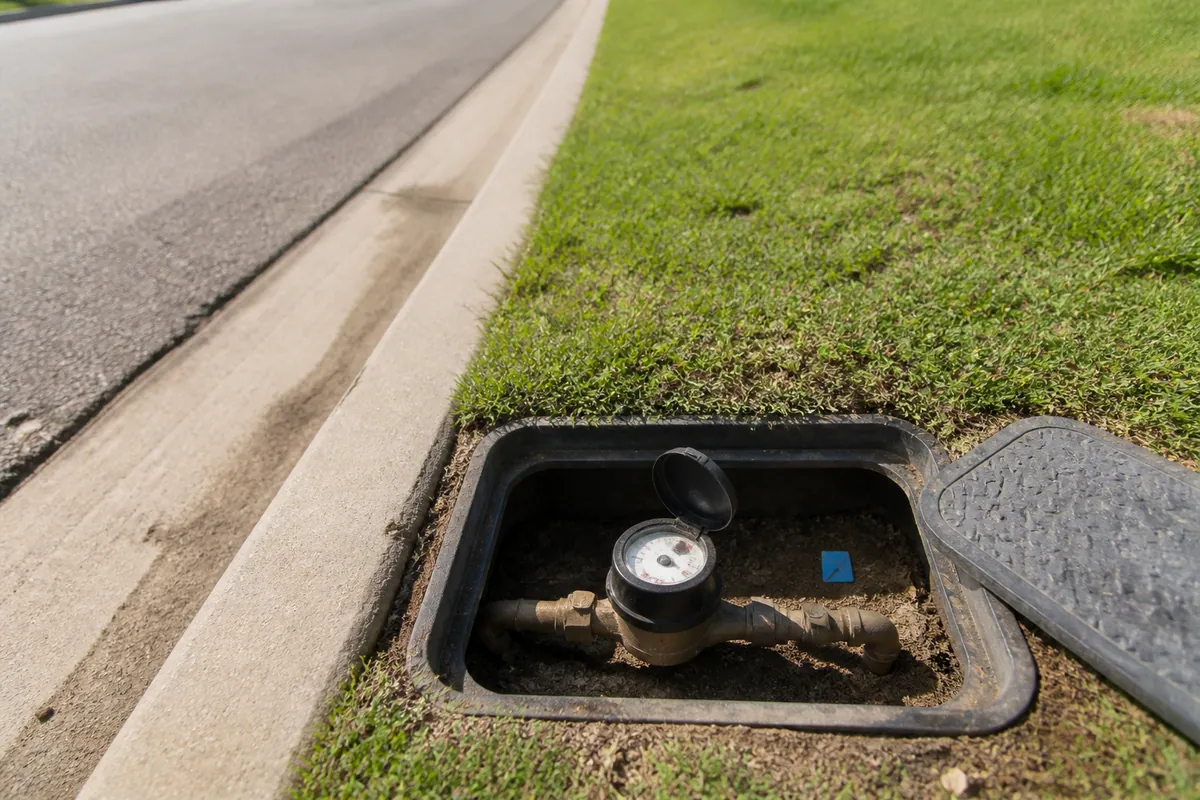
Read the meter, then shut off every tap and appliance and read it again after fifteen minutes. If the number moved, water is flowing. Write down both readings and the time between them.
Next, test the toilets. A few drops of food coloring in each tank will show up in the bowl within about fifteen minutes if the flapper leaks. Then run the meter test with the irrigation controller switched to off, to see whether the yard is the culprit.
The search is priced for time and method, and the repair is priced separately. These things push the number up or down.
Ask for the diagnostic price before the visit, and whether it counts toward the repair.
Under Phoenix rules, the city covers the stretch between the street and the meter and the owner covers what lies past it. A bill inflated by a leak on your side is yours to fix, and the meter test tells you which side that is.
Some utilities offer bill review or adjustment after a repair, and policies vary. Keep the repair invoice and ask your water provider what documentation it wants.
The easiest way to divide the problem is the main valve at the house. Close it and watch the meter. A stopped dial puts the leak indoors, while a dial that keeps going points to the buried supply line or something outside that it feeds.
Irrigation is the next suspect. A zone that runs hard when it is on, soggy ground at the edge of a lawn or a sprinkler head that never stops all point outside the walls. Pools, spas and fountains add another branch to check.
A homeowner can narrow a leak to a region. A contractor with listening and pressure-testing tools can narrow it to a spot, and ask what else could be adding to the bill. That is the difference between a guess and a repair plan.
If the leak is on the utility side of the meter, the contractor may tell you to call the water provider instead. Either way, you leave the visit knowing whose problem it is.
A big bill has several possible causes. These clues point toward a leak instead of normal use.
Close every fixture, the ice maker and the sprinkler timer. Record the meter reading, wait fifteen to twenty minutes without touching water, then compare. Any change means water is escaping.
Then shut the house valve and run the test again. A dial that stops puts the leak indoors. A dial that keeps moving puts the loss on the supply pipe between the meter and the house, often underground.
A toilet is the most common hidden leak. A flapper that does not seal can waste hundreds of gallons a month. Drop food coloring into the tank and wait. Color reaching the bowl proves a leaking flapper, and toilet repair covers the fix.
Water heaters, softeners, irrigation lines and pool fill valves also leak without any visible puddle. If the toilet test passes and the meter still moves, a professional search is the sensible next step.
Some providers consider an adjustment after a documented repair. Policies differ by provider. Keep the invoice, the dates and the meter photos, then ask your provider what paperwork they accept.
Locate water escaping from walls, floors, the yard or irrigation pipe without tearing things open first.
Fixes for the buried line between the meter and the house, from a single failed joint to a full new run.
Running, rocking, leaking or weak flushing toilets repaired, or a new bowl set.
Not always. Irrigation, a pool refill, houseguests and a running toilet all raise usage. The meter test separates those causes from a true leak, and it costs nothing to run.
Silent leaks are common. A toilet flapper, a supply line in a wall or a buried line can lose water with no stain. A contractor can isolate sections and test them.
Some providers review bills after a documented repair, and rules differ. Save the invoice and ask what your provider requires.
Yes. Tell the dispatcher about the sale date. A clear written finding is easier to share with an agent or an inspector than a verbal one.
No. A meter that spins with every fixture off can be reported at night or on a weekend. Planned testing is often booked for daytime.
Yes when the meter is racing or water is surfacing in the yard. A bill that crept up over months can wait for daytime, but the leak keeps billing you in the meantime.
Shut off all water, note the dial, wait twenty minutes and read again. Movement with everything off points to a leak.
Yes. A stuck valve or a broken line can run for days. Turn the timer off and recheck the meter.
The goal of a search is to name the location. Ask the dispatcher how the contractor reports the finding.
Often yes. Ask whether repair is quoted at the same visit or separately.
Call and say what the meter does with everything off. A search should come next, not a guess.
Service area centered on Laveen and nearby Maricopa County cities.