Sewer Camera Inspection
See inside the line before a repair, before a purchase or after clogs keep returning.
A damaged sewer line may crack, shift out of line, sag or fill with roots. A camera shows which, and the repair can range from a short section to a longer run. If sewage is already coming into the house, stop running water and phone the 24/7 line.
Tell the dispatcher what the camera showed, if a camera has been used.
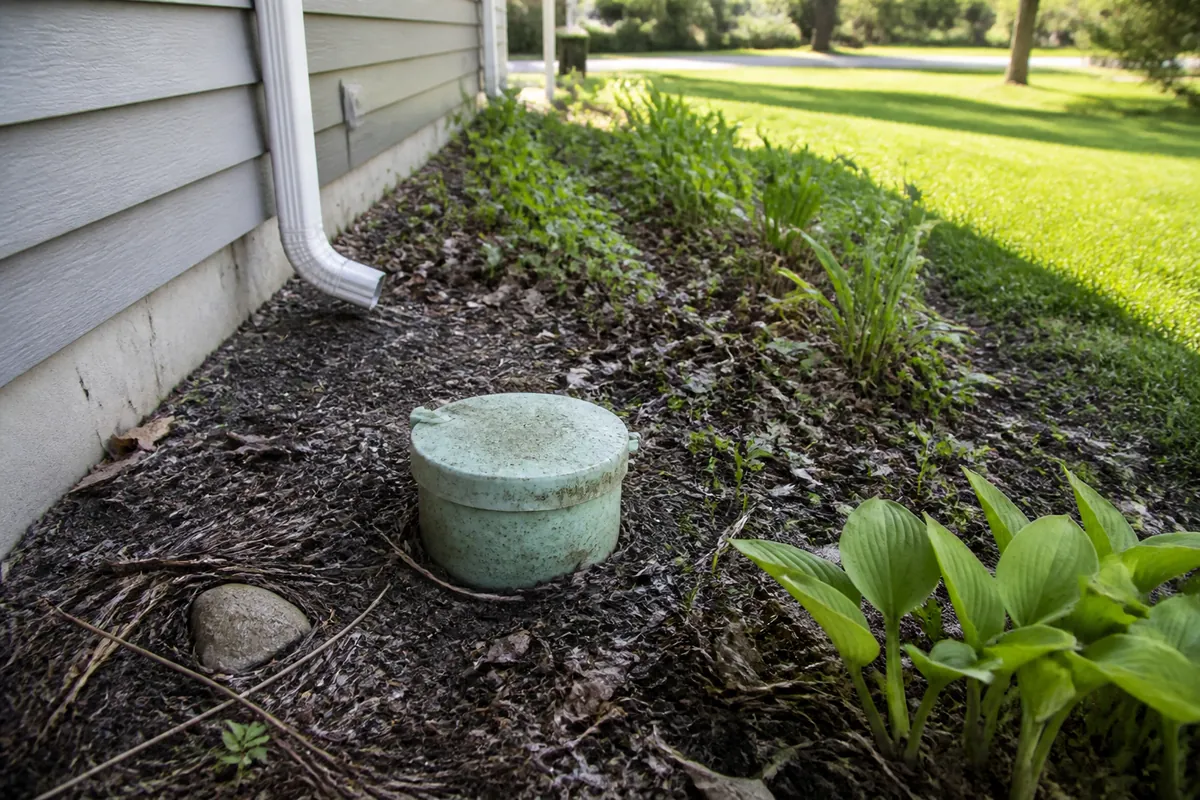
Roots enter at joints, cracks open from ground movement and sections sag where the soil settled. Older pipe can corrode, and a poorly made repair can fail later.
A camera inspection is the standard way to see which problem you have, and it avoids digging in the wrong place.
A spot repair opens the ground at one damaged point and replaces a short length. Trenchless lining coats the inside of the existing pipe and may suit some lines. Replacement pulls out the old pipe and puts in new.
Ask the contractor why they recommend one option over the others. Lining may not suit a collapsed or badly offset pipe.
Sewer work is priced by length, depth and method.
Request the camera footage along with a written scope.
Phoenix makes owners responsible for the sewer line from the house, and the city repairs service lines in the public right of way. Know where your property line is before you assume who pays.
A line that serves a long property may run a good distance, so repair length matters.
Callers often ask whether a sewer under a slab can be lined or fixed without breaking concrete. Sometimes it can, and sometimes the pipe condition rules it out. A camera look answers that.
If you are weighing options, get the camera footage and a written explanation of each.
Sewer work generally calls for a permit and an inspection. Ask who handles both and how they might shift the schedule.
Damage differs from a simple clog. These clues suggest a broken or shifted pipe.
A root intrusion enters at joints and grows into a mat. A crack or offset joint lets soil in. A belly is a low section that holds water and solids. A collapse is the worst case, where the pipe has caved in.
Each fault points to a different fix. Roots can be cut, and a joint repair slows regrowth. A crack may need a spot repair. A belly or collapse usually means replacing that section.
A short section can be dug and replaced. A liner may suit a long run that is still round. A badly damaged line may need full replacement. Ask why the contractor prefers one over the others.
Know where the cleanout is, and mark sprinkler lines near the route. Ask who handles permits and how the yard will be restored. A written scope helps you compare quotes.
See inside the line before a repair, before a purchase or after clogs keep returning.
Replace the lateral running from the house to the property line once repairs stop holding.
Wash grease, scale and root growth from the pipe wall when a cable merely punched a hole.
Repeat clogs, odors and sunken ground are clues. A camera confirms it.
Sometimes lining or a small access hole works. It depends on the pipe's condition.
In Phoenix, owners are responsible for the line from the house. Check the property line.
That depends on the length and the depth. Ask for a time window.
Stop running water in the house and call. Overflow gets priority on the phone, and the repair itself is planned once the line has been checked.
Call and report what you see: a soggy yard, a sewer odor or fixtures backing up. A contractor normally reopens the line first and inspects for damage afterward.
A spot repair opens a small area. Trenchless options reduce digging. Ask which fits your line.
A camera and a locator can mark the depth and path. Ask whether the contractor offers locating.
Coverage varies. Ask your insurer before work begins.
Call and describe the symptoms. The dispatcher can connect you with a contractor.
Service area centered on Laveen and nearby Maricopa County cities.