Sewer Camera Inspection
See inside the line before a repair, before a purchase or after clogs keep returning.
A sewer smell is not something to live with. It means drain gas is entering the room, and where it comes from is your best clue.
By the Laveen AZ Plumbing team ·
Go room to room and see where the odor is strongest. If it is concentrated in one bathroom, begin there. If it is in the garage or laundry, look somewhere else. An odor that tracks a single drain suggests a dry trap or a local clog.
Smells that arrive after rain or after heavy water use can suggest a problem in the line or the vent.
A curved section of pipe under each drain, the trap, keeps a plug of water in place to stop gas. In rooms that go unused, that water evaporates and the odor gets through. Pour a quart of water into each idle drain, then add a spoonful of oil to slow the drying.
In the desert, evaporation is fast, so guest bathrooms and floor drains dry out quickly.
A toilet that rocks may have a failed wax ring. Gas escapes around it, and water may leak at the base. See toilet repair for what a reset involves.
Cracked drain pipes behind walls can leak gas as well. A camera can help trace them.
The location of the odor suggests the first thing to check.
| Where you smell it | Likely cause | First step |
|---|---|---|
| A rarely used bathroom | Dry trap | Run water in the drain |
| Around one toilet | Failed wax ring | Check for rocking or leaks |
| Near a floor drain | Dry trap or blockage | Refill the trap, then test the flow |
| Outdoors near the cleanout | Damaged sewer line | Book a camera inspection |
A blocked or broken vent can let gas back into the house and slow drains. Gurgling sounds can accompany it. A contractor can check the vent from the roof and the attic.
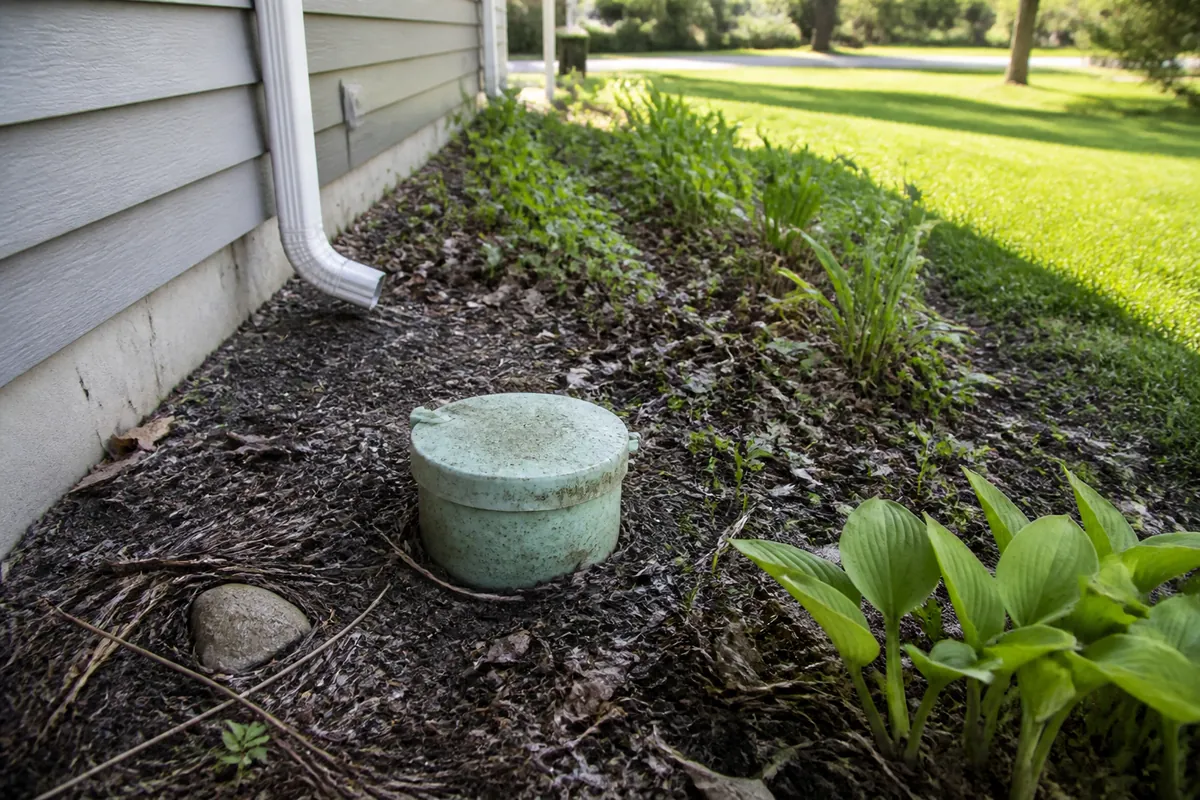
A cracked or collapsed sewer line can leak gas into soil and then into the house. An outdoor smell near the cleanout or a wet patch over the line is a clue. A camera inspection reveals roots, breaks and sags.
Roots, grease and wipes cause backups that bring odor with them. See sewer backup repair if drains are overflowing.
Sewer gas contains hydrogen sulfide, which irritates the eyes and nose. Open windows and keep children and pets away from the source. If the smell is strong or you feel unwell, get out of the house and call for help. If it smells like natural gas, leave and call 911 or the gas company from outside.
Every drain connects to a vent system that carries sewer gas up through the roof. The trap under each fixture holds a water seal that keeps the gas out. If the seal is lost or the vent is blocked, gas can enter the room. The smell is often described as rotten eggs, and it comes from hydrogen sulfide and other compounds produced as waste breaks down.
Gas can also come through cracks in the drain line, from a loose toilet flange or from a floor drain that has dried out. In a slab house, a break in the line beneath the floor can leak gas upward as well.
Run water into every drain, garage, laundry room and guest bath included, and float a spoonful of cooking oil on top to slow evaporation. Press on each toilet to confirm it sits solidly with no rocking, because a loose flange can let gas out around the base. Look for wet patches around floor drains and cleanouts.
A bathroom fan that vents into the attic can pull gas into a house in some conditions. If the smell appears only when a fan runs, mention it when you call.
A smell that persists after the traps are filled, that is stronger near the cleanout, or that comes with slow drains and gurgling suggests a line problem. Roots, a bellied section or a crack can all hold waste and release gas. A camera inspection shows what is inside the pipe. See sewer camera inspection and sewer line repair.
Sewage surfacing in a tub or floor drain is a different situation: stop running water and call at once. Sewer backup repair describes that situation.
Not every foul smell is sewer gas. A mildew smell from a washing machine, a sour smell from a garbage disposal with trapped food and a musty smell from a damp cabinet are common. A disposal can be cleaned with ice and a splash of dish soap, and a washer gasket can be wiped and left open to dry. A natural gas smell is a separate matter and an urgent one. Go outside and call 911 or the gas company from there.
If you are unsure what you are smelling, treat it cautiously. Open windows, avoid flames and ask for help. A dispatcher can sort out which kind of call it is.
A blocked vent can cause gurgling, slow drains and sewer smells, because the drain system needs air to flow smoothly. Birds' nests, leaves or debris can block the roof vent. If you are comfortable and safe on a roof, you may be able to see the problem. Otherwise, a contractor can check it. Do not climb onto a roof in high heat or without proper safety gear.
A vent that is open but undersized or damaged can also let gas into the attic. If the smell is strongest in the attic or near a roof penetration, mention it.
Yes. Refill it with water and the smell often stops.
Strong exposure can be harmful. Ventilate and call if it persists.
A camera inspection shows the pipe's condition.
Yes. Roots can crack joints and let gas out.
See inside the line before a repair, before a purchase or after clogs keep returning.
Act fast when several drains back up together or sewage rises in a tub or floor drain.
Open slow sinks, tubs, laundry lines and yard drains, and find out why the blockage came back.
Roots seek out moisture, slip into hairline cracks and thicken into a mass. See the warning signs and the choices you have.
Weak, partial or absent flushing can come from a clog, a tank fault or a weak flush. Run a short check to see which.
A toilet that keeps running burns through water all day. A dye test and one or two cheap parts often end it.
Call and tell the dispatcher where the smell is strongest. A contractor can be arranged from there.
Service area centered on Laveen and nearby Maricopa County cities.