Sewer Camera Inspection
See inside the line before a repair, before a purchase or after clogs keep returning.
Roots do not break pipes by force. They find a small crack or an open joint, slip in and grow wherever the water is. Over a few seasons, a thread becomes a mat that catches everything flowing past.
By the Laveen AZ Plumbing team ·
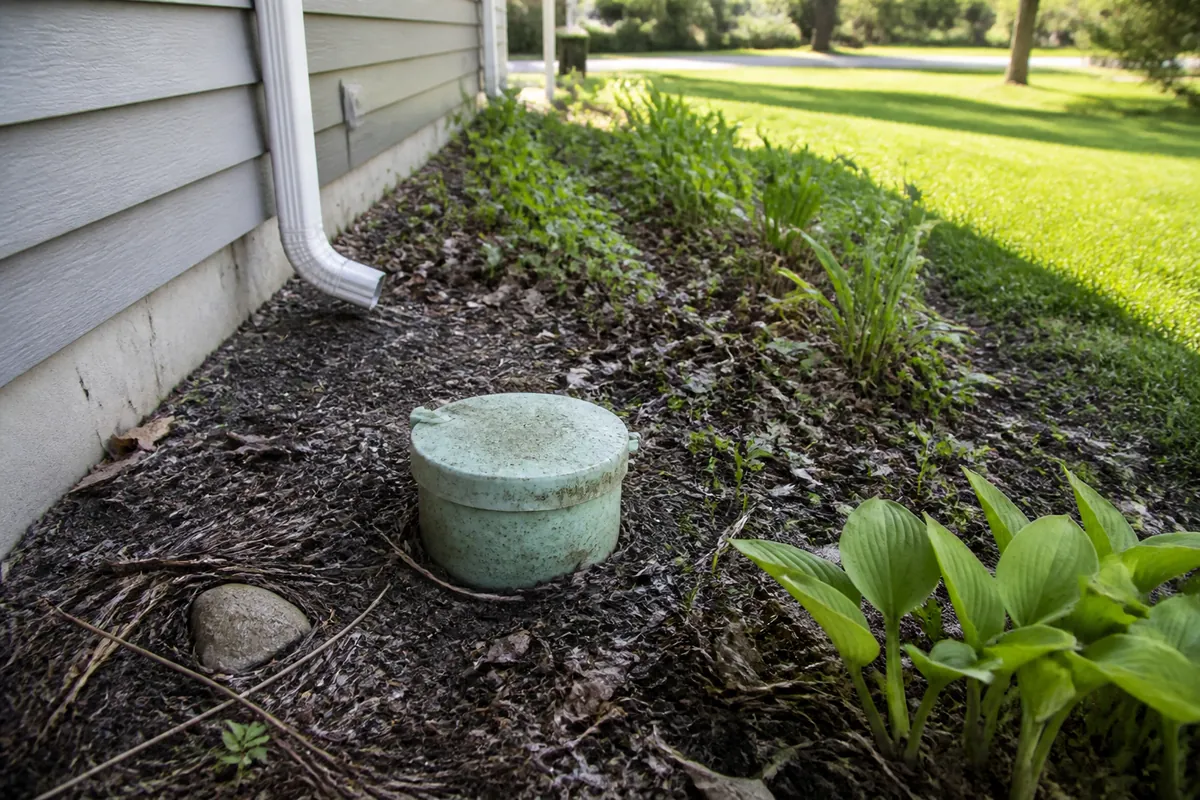
A sewer line carries warm, wet waste, and tiny leaks at joints let vapor and moisture into the soil. Roots grow toward that moisture. Older clay and cast iron pipe have many joints, and each is a possible entry.
Mature trees close to the line are the usual source, and shrubs and even large grass roots can add to it. In a dry climate like the Valley, roots search harder for any steady water source.
The first sign is often a toilet that bubbles when another fixture drains. Slow drains in the lowest part of the house follow. Clogs that return a few weeks after clearing are a strong hint.
Outdoors, look for a green strip or a soft patch in the yard over the line. Odor near the cleanout can signal a crack. Mention these details on the call.
A camera riding a flexible cable moves through the pipe and shows roots, cracks and joints on a monitor. The operator can tell a thin fringe of roots from a solid mat, and a round pipe from a broken one.
That footage turns a guess into a plan. See sewer camera inspection for what to ask about video and locating.
A cutter on a cable can saw through roots and reopen the pipe. Hydro jetting then scours the wall and flushes debris. Both treat the symptom, not the opening where roots enter.
Roots grow back, so the interval between visits depends on how bad the openings are. A line with many entries may need regular service.
Each approach does a different job.
| Approach | What it does | Limit |
|---|---|---|
| Cable cutter | Opens a channel through roots | Roots regrow |
| Hydro jetting | Scours the wall and flushes debris | Does not seal cracks |
| Spot repair | Fixes one entry point | Other joints may admit roots |
| Replacement | Gives new pipe along the run | Most involved and costly |
If one joint is the entry, a spot repair may stop the regrowth. A liner can seal a long section that is still round. A pipe with many breaks or a sag may need replacement. See sewer line repair and sewer line replacement for the paths.
Ask why the contractor prefers one method, and what the quote includes for restoring the yard.
Keep trees well back from the line, and ask a landscaper about root barriers. Avoid thirsty species along the sewer path. Learn where the cleanout is so a plumber can get to it quickly.
Do not use rock salt or copper sulfate products without advice. Some are restricted, and they do not fix cracks.
The City of Phoenix says owners maintain the sewer line that runs from the house. Other providers set their own boundary. Ask where your provider's part begins before you pay for any dig.
Roots grow toward moisture and nutrients. A sewer pipe with a tiny gap at a joint or a hairline crack releases vapor and water into the soil, and roots follow. Once a thin root slips in, it thickens, catches paper and waste, and forms a net. Older clay and cast iron lines have many joints and are the most common victims, but plastic lines are not immune when joints are poorly sealed.
The tree does not need to be large. Even shrubs and thirsty ornamentals can reach a pipe in a few seasons. In the desert, irrigated lawns and landscape beds create wet pockets that draw roots toward the line.
The pattern is a drain that slows, clears and slows again. A plunger or a cable may open the line, only to see it return in weeks or months. Gurgling toilets, bubbling in a tub when the washer drains, and a faint sewer smell at the yard cleanout are all clues. When several fixtures back up at the same time, the main is blocked or restricted.
A camera is the best way to confirm roots. It shows the location, the size of the mass and the condition of the pipe around it. See sewer camera inspection.
A cable with cutting blades can open a path through roots. Hydro jetting uses high-pressure water to scour the pipe wall and wash out debris, as described in hydro jetting. Both treat the symptom. If the pipe is cracked or has shifted, roots return, and a repair or replacement is the lasting answer. Choices range from spot repairs to lining or full replacement, covered under sewer line repair and sewer line replacement.
Chemical root killers are sometimes sold for home use. They can harm pipes and landscaping, and results are mixed. Ask a professional before using one.
Know where your sewer line runs and where the cleanout sits. Choose trees and shrubs with that path in mind, and keep large, thirsty species well away. Fix leaks near the line, since a wet spot invites roots. Schedule a camera check if you buy an older home or see repeated backups.
If you are buying a home with mature trees and a sewer line of unknown age, a camera inspection before closing can reveal root intrusion or pipe damage. See sewer camera inspection. It costs far less than an emergency dig and gives you information to negotiate or plan. Ask for the recording so you can review it with the contractor.
They usually enter an existing crack or joint, then widen it as they grow.
It depends on the openings. Heavy cases may return within months.
It depends on the pipe condition. A camera helps decide.
Removing the tree helps, but roots remaining in the pipe still need to be cleared.
See inside the line before a repair, before a purchase or after clogs keep returning.
Wash grease, scale and root growth from the pipe wall when a cable merely punched a hole.
Cracked, rooted or bellied sewer pipe, fixed in one spot or along a longer stretch.
Rotten egg and sewer odors usually trace to a small set of sources. A dry trap is a quick fix, while a cracked line is not.
Weak, partial or absent flushing can come from a clog, a tank fault or a weak flush. Run a short check to see which.
Start with the meter, add a few quick fixture checks and read the clues outdoors to learn if water is escaping and where.
Call and describe the pattern. A dispatcher will line up a local contractor.
Service area centered on Laveen and nearby Maricopa County cities.