Toilet Repair & Installation
Running, rocking, leaking or weak flushing toilets repaired, or a new bowl set.
A toilet that will not flush has a problem in the tank, the bowl or the line beyond. A minute or two of looking will show where.
By the Laveen AZ Plumbing team ·
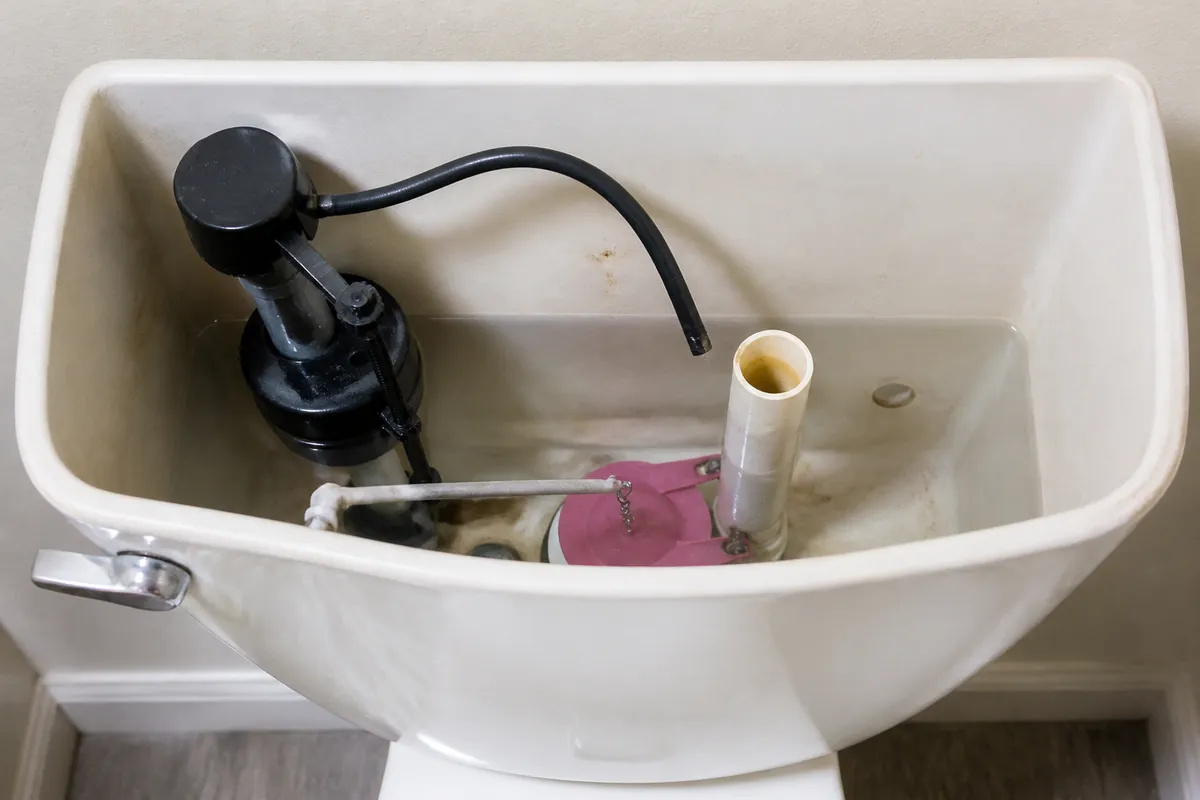
Remove the tank lid and work the handle. If the tank is empty and does not refill, the wall valve may be closed or the fill valve may have failed. If the tank is full but nothing happens in the bowl, suspect the flapper and chain.
A chain that is too slack will not lift the flapper. A chain that is too tight will hold it open and keep water running.
A handle that feels loose may have a broken arm or a disconnected chain. Reattach the chain, leaving a small amount of slack. If the flapper is warped or cracked, replace it with a matching part.
Hard water leaves scale on the flush valve seat. Wiping it clean can restore the seal. See toilet repair for repairs that need more than a part.
If the tank works but water rises and drains slowly, the trap is blocked. A flange plunger with a good seal clears most blockages. Push gently first, then pull.
Avoid chemical drain products in a toilet. They can damage parts, and they splash if you need to plunge afterward.
What the toilet does tells you where to start.
| Symptom | Likely cause | Fix |
|---|---|---|
| Handle moves, nothing happens | Chain slack or broken | Reconnect or replace the chain |
| Tank empty and silent | Closed valve or failed fill valve | Open the valve, replace the fill valve |
| Bowl rises and drains slowly | Clog in the trap | Plunge with a flange plunger |
| Several fixtures gurgle | Main line blockage | Stop water use and call |
The small holes under the rim can clog with mineral scale. A weak flush that lets paper float is a sign. Clean the holes with a small brush and vinegar.
If the shower gurgles or the sink slows when you flush, the main drain may be blocked. Stop using water and call. Drain cleaning and a camera look can find the cause.
Take the tank lid off, hold the flapper down and turn the valve behind the toilet shut. Stop flushing. Dry the floor right away, and call if water got through to the room below. If sewage is involved, see sewer backup repair.
When you press the handle, a chain lifts the flapper at the bottom of the tank. Water rushes from the tank into the bowl through openings under the rim and a larger jet at the base. That sudden volume pushes waste over the curve of the trap and into the drain. A weak flush means the volume was too small, the flapper closed too early, or the openings are partly blocked.
This is useful to know because each symptom points to a different part. A handle that feels loose points to the chain. A flush that starts strong and fades points to the flapper. A bowl that rises and drains slowly points to a blockage past the trap.
If the tank empties fully and the bowl water rises before settling slowly, the toilet is likely clogged. A flange plunger, with the extra rubber sleeve, seals better in a toilet than a flat sink plunger does. Push gently first to avoid splashing, then use steady strokes. Many clogs yield in a minute or two.
If the tank does not empty, or empties only partly, the flapper chain may be too slack, too tight or snagged. Adjust it so there is only a little slack when the handle is at rest. A tank that fills slowly after a flush points to a worn fill valve or a partly closed wall valve.
Hard water leaves deposits in the small rim jets that feed the bowl. When the openings narrow, water enters the bowl more slowly and the flush loses power. A small mirror and a flashlight will show the holes. Cleaning them with a brush and a mild descaling product often restores the force of the flush.
If scale shows up on every fixture, a water treatment option may help over the long run. See water softener installation and repair.
If more than one fixture is slow, or a toilet clogs again right after clearing, the trouble may be in the branch or main line. Gurgling from a nearby tub or sink as the toilet drains is another clue. In that case a plunger will not solve it, and drain cleaning or a camera look is the next step.
A toilet that rocks, seeps at the base or has a cracked bowl needs repair or replacement. Details are under toilet repair and installation. Sewage rising in a tub or shower means you should stop using water and call.
Low-flow toilets rely on well-designed bowls and strong flushes, and they are less forgiving of heavy paper or foreign objects. A child's toy or a hygiene product can lodge in the trap and cause repeated clogs. If plunging does not help and you suspect a stuck object, a closet auger can retrieve it, though it takes care to avoid scratching the porcelain.
If the toilet is old, the tank may not hold enough water for a strong flush. Replacement can improve performance and save water. See toilet repair and installation for the choices.
A partial blockage, clogged rim jets or low tank water can each be the reason.
A closet auger is made for toilets. Use it gently to avoid scratching porcelain.
A leaking flapper or a fill valve problem is likely.
If several fixtures slow or gurgle together, it is likely a main line.
Running, rocking, leaking or weak flushing toilets repaired, or a new bowl set.
Open slow sinks, tubs, laundry lines and yard drains, and find out why the blockage came back.
Act fast when several drains back up together or sewage rises in a tub or floor drain.
A toilet that keeps running burns through water all day. A dye test and one or two cheap parts often end it.
Rotten egg and sewer odors usually trace to a small set of sources. A dry trap is a quick fix, while a cracked line is not.
Roots seek out moisture, slip into hairline cracks and thicken into a mass. See the warning signs and the choices you have.
Close the valve behind the toilet and call. A contractor can be arranged from there.
Service area centered on Laveen and nearby Maricopa County cities.