High Water Bill & Leak Detection
Learn whether a bill spike comes from a leak, a toilet or the sprinklers, and how to confirm it at the meter.
A bill that doubles while life at home stays the same is alarming. The cause is normally one of a short list, and the meter lets you narrow it down within an afternoon.
By the Laveen AZ Plumbing team ·
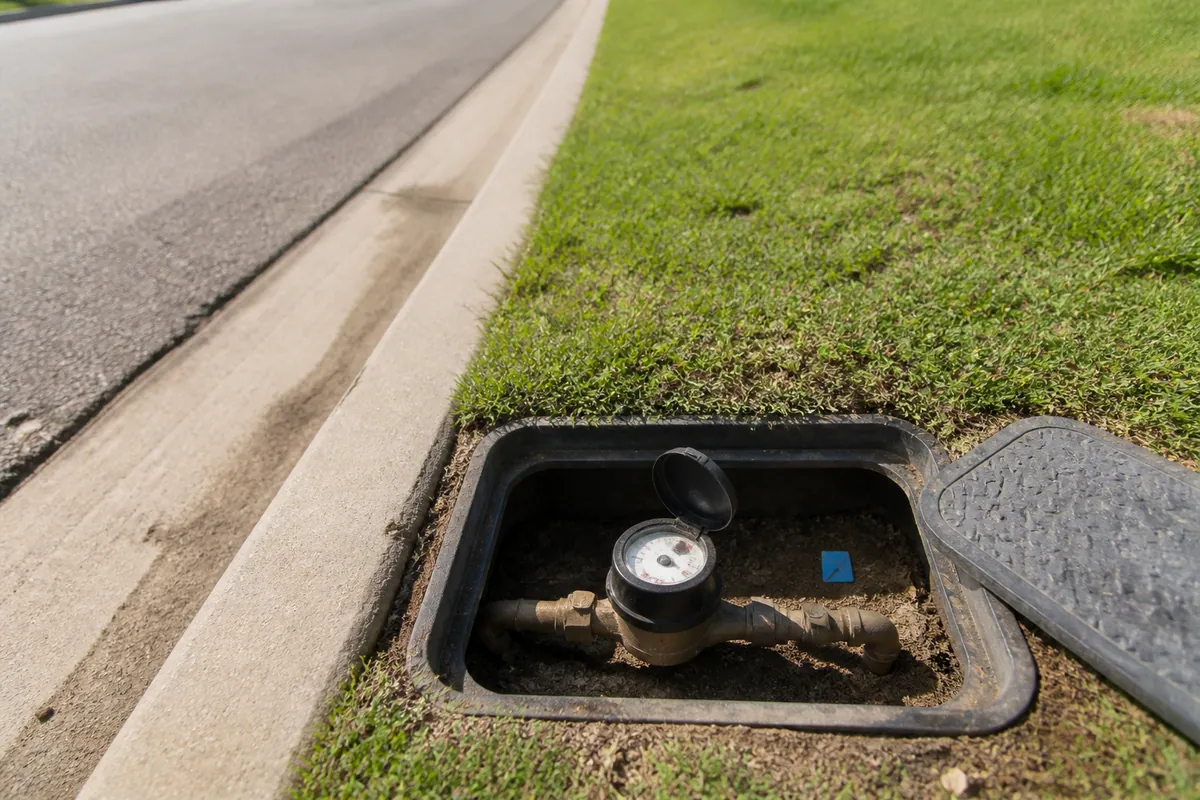
Rates change, and so do fees. Look at the usage figure in gallons or units for the last several months. If the number itself jumped, something is using more water. If only the dollars rose, the rate or a fee may have changed.
Write down the figures for the same month last year as well. Summer use runs higher across the Valley, so a fair comparison needs the same season.
A flapper that does not seal can leak a great deal of water over a month without making enough noise to notice. Put a few drops of dye in the tank, leave the toilet unflushed and watch the bowl.
If the color reaches the bowl, the fix is usually a small part. See toilet repair for what that involves.
Outdoor watering is the largest single use. One stuck valve, a cracked head or a badly set controller can add a great deal. Turn the timer off and check the meter again before suspecting the pipes.
Pools lose water to heat and wind, and a pool auto fill hides leaks by topping up the level. A bucket test separates evaporation from loss. See pool leak detection when the level keeps falling.
A slow leak in a wall, beneath a slab or along the line from the meter can go on for months. All three appear as a meter that keeps moving while the house valve is shut.
A professional search with high water bill leak detection can pinpoint the spot, and the finding explains the spike.
Match the clue you see to the likely source before paying for a search.
| Clue | Likely cause | First check |
|---|---|---|
| Meter moves with everything off | Hidden leak or toilet | Dye test, then house valve test |
| Bill rises only in summer | Irrigation or cooling use | Review controller settings |
| Pool level keeps falling | Evaporation or pool leak | Bucket test |
| Bill rose but gallons did not | Rate or fee change | Read the bill line by line |
A water heater with a failing relief valve can drip into a drain pipe, out of sight. Evaporative coolers use a lot of water in summer. Guests, new appliances or a new pool filling can also explain a rise.
Count these before you pay for a search. If the answer is simple, you save money.
Phoenix lists its customer service line for billing questions. Ask whether the meter was read correctly and whether usage was estimated. A misread meter is rare, but it is easy to check.
Some providers consider an adjustment after a documented repair. Policies differ, so ask what paperwork is accepted before you spend money, and keep invoices and photos.
Start with the usage figure, not the dollar total. Bills combine water, sewer and sometimes trash or stormwater fees, and a rate change can raise the total even when use is flat. Compare the gallons or units used this period against the same period last year, since summer irrigation changes the baseline for everyone.
Look at the billing days as well. A longer period naturally shows more use. If the days are similar and the usage jumped, something changed in the house or the yard. If you cannot tell, the utility's customer service line can explain the meter read type and whether the figure was estimated.
In the desert, outdoor watering is often the largest part of the bill. A controller reset after a power blip may default to a schedule that runs every day. A cracked head throws a fan of water onto pavement. A drip line that has been chewed by animals or pulled loose can run for weeks with no visible puddle, since the emitters sit under rock or mulch.
To rule the yard in or out, shut the valve that feeds the irrigation system and recheck the meter. If the dial stops, the problem is outdoors. If it keeps moving, move on to the house and the buried supply line.
A pinhole in a copper line, a failed fitting inside a wall or a break in the buried pipe between the meter and the house will all increase use around the clock. These leaks tend to show as a steady, small change in the meter even at three in the morning. See high water bill leak detection for how the search is done without opening walls.
A leak under a slab is a special case, since the water has nowhere obvious to go. Warm spots, a hissing sound and a meter that never rests are the clues to watch. Details are in slab leak detection and repair.
Sometimes there is no defect. Visitors staying a month, a new pool fill, a pressure washer, a new dishwasher cycle or a swamp cooler running through summer all push the meter up. A swamp cooler is worth noting in the Valley because it consumes water as it works and has a bleed line that can stick open.
Write down any change in the household during the billing period. If the numbers still do not add up, the meter test is the next step.
Ask the utility whether the reading was actual or estimated, whether the meter has been tested, and whether a leak adjustment program exists for your account. Programs and eligibility differ by provider, so confirm the details directly rather than assuming. Keep your meter readings and any repair paperwork, since many utilities ask for proof.
If you find the cause and it is a fixture, a part swap may be enough. If you find a leak in a pipe, the repair depends on where it is and how the pipe is built. Describe the meter test result when you call, and the dispatcher can connect you with a contractor.
It depends on the size and how long it runs. A steady drip adds up over weeks, and a running toilet adds more.
Run the meter test. If the dial moves with everything off, call a plumber. If it does not, call the provider about the bill.
Yes. Turn the controller off, then test the meter again.
The goal is a specific location. Ask the contractor how they report it.
Learn whether a bill spike comes from a leak, a toilet or the sprinklers, and how to confirm it at the meter.
Locate water escaping from walls, floors, the yard or irrigation pipe without tearing things open first.
Find out if the pool is losing water to a leak or to the sun, and pin down the pipe or fitting at fault.
Start with the meter, add a few quick fixture checks and read the clues outdoors to learn if water is escaping and where.
A toilet that keeps running burns through water all day. A dye test and one or two cheap parts often end it.
One bucket and a day of waiting separate normal evaporation from a leak. Learn the steps and how to read the result.
Call and describe the numbers. A dispatcher can connect you with a local contractor.
Service area centered on Laveen and nearby Maricopa County cities.